Dynamic Pricing
Why Did My Data Bundle Suddenly Become More Expensive?
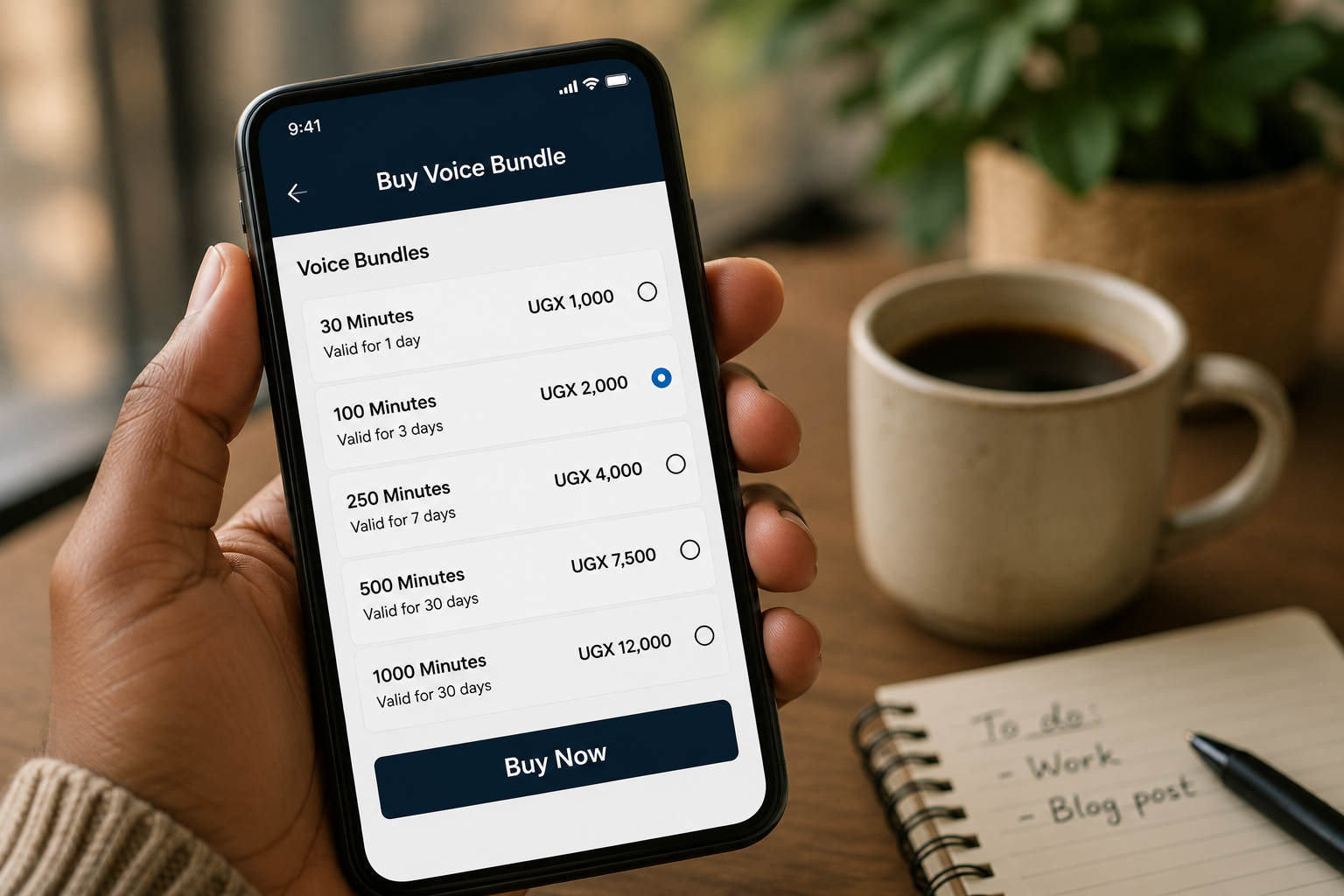
One evening I opened my phone to buy my usual voice bundle to call my mum. I already knew how much it was supposed to cost because I buy it often. Except it wasn’t the usual price. At first, I assumed I had remembered it incorrectly. Maybe I had selected a different package, or perhaps there was a new promotion I had missed. A few weeks later, it happened again, and that was when my curiosity took over. I started wondering whether the telecommunications company was simply changing prices randomly or whether there was an algorithm quietly making those decisions behind the scenes. That small moment led me down the rabbit hole of dynamic pricing.
What is dynamic pricing?
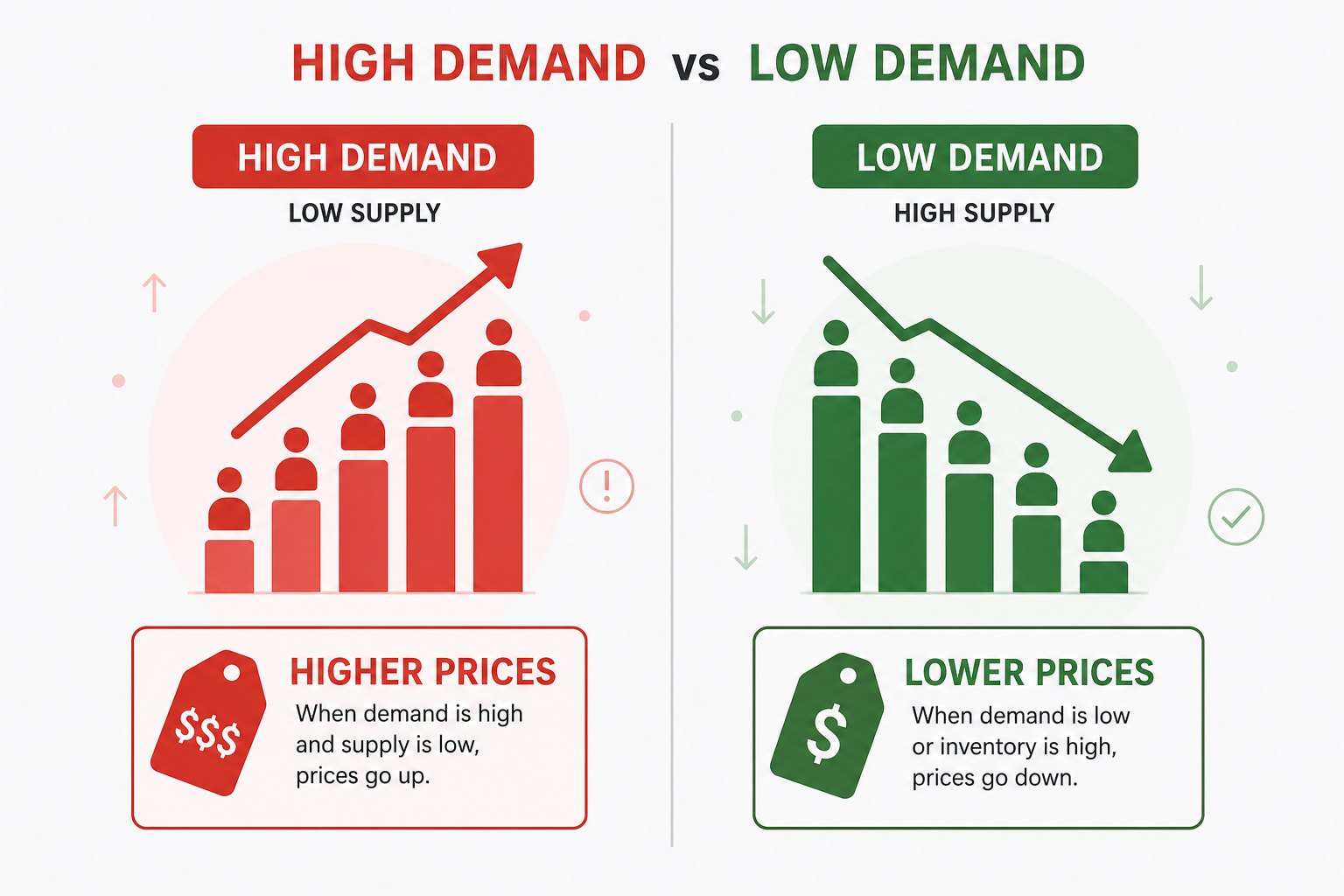
Dynamic pricing (sometimes called surge pricing or demand pricing) is a pricing strategy where businesses continuously adjust prices based on changing conditions. Instead of assigning one fixed price to a product, companies consider factors such as customer demand, available supply, competitor prices, inventory levels, time of day, season, and customer behaviour, among others. When demand is high and supply is limited, prices usually increase. When demand falls, or businesses want to move inventory quickly, prices often decrease. For instance, when there is a transition from one season to another. For many businesses, this approach helps maximise revenue while making better use of available resources. For customers, however, it can sometimes feel like prices have a mind of their own.
Dynamic pricing is everywhere
Once I learned about dynamic pricing, I realised I encounter it almost every day. Airline tickets become more expensive during holidays. Hotels charge higher rates during tourist seasons. Online retailers like Amazon constantly adjust prices based on demand and competition. Telecommunication companies change the pricing of data packages and promotions. Even electricity pricing can vary depending on when you purchase units. I still haven’t figured out the perfect time to buy mine, but I am working on it. Then I realised something even more interesting. We have been using dynamic pricing long before the big data and artificial intelligence era. Even currently, people who don’t know/use dynamic pricing in their businesses.
Dynamic pricing existed before AI
In Uganda, transport fares are never truly fixed. A taxi ride that costs UGX 1,500 in the afternoon might cost UGX 2,000 during the morning rush. The same journey on a rainy evening suddenly becomes UGX 3,000. On weekends, when fewer people are travelling, the fare may even fall to UGX 1,000. Nobody is running a sophisticated machine learning model. Drivers simply rely on experience, observation and intuition. In many traditional markets, sellers also adjust prices depending on customer demand, product availability or even how interested a buyer appears. Humans have always practised dynamic pricing. Artificial intelligence is simply making it faster and far more sophisticated.
How companies decide prices
Not every business uses the same strategy. Here are some of the most common approaches.
Cost-plus pricing
This is one of the simplest methods. A company calculates how much it costs to produce a product and then adds a profit margin. Many businesses still rely on this approach because it is straightforward and predictable.
Competitor-based pricing
Some companies constantly monitor what their competitors are charging. If another retailer lowers their prices, automated systems can respond almost immediately. For large online stores, software bots continuously collect competitor prices and pricing algorithms update listings throughout the day.
Value-based pricing
Sometimes a product is worth different amounts to different people. Think about artwork. One painting may seem ordinary to one person but priceless to a collector. In this case, the price reflects the value customers are willing to pay rather than the production cost.
Bundle pricing
Have you noticed how buying two products together is often cheaper than buying them separately? Businesses use bundles to encourage customers to purchase more while increasing overall sales. Telecommunication companies are particularly good at this with voice, SMS and data packages.
Time-based pricing
This is probably the pricing strategy most of us notice. Restaurants offer lunch specials. Hotels charge more during holidays. Transport fares rise during rush hour. Time itself becomes part of the pricing formula.
Where artificial intelligence comes in
Traditional pricing relied heavily on human judgement. Today’s systems rely on data. Modern AI models can process enormous amounts of information far faster than any person could.Some of the information they analyse includes: historical sales, current demand, weather forecasts, competitor prices, website traffic, inventory levels and customer browsing behaviour. Instead of waiting days or weeks to adjust prices, AI can react in seconds.
Some of the techniques used include:
- Predictive analytics, which forecasts future demand using historical data.
- Real-time data processing, where systems continuously react to live information.
- Personalisation, where recommendations and sometimes offers are tailored to an individual’s browsing or purchasing behaviour.
Behind these systems are machine learning techniques such as reinforcement learning and deep neural networks, which continuously learn how different pricing decisions affect customer behaviour and company revenue.
Why AI changes everything
Compared with traditional pricing, AI has several advantages.
| Traditional pricing | AI-powered pricing |
|---|---|
| Human judgement | Machine learning models |
| Periodic updates | Continuous updates |
| Limited information | Massive real-time datasets |
| Similar prices for most customers | Highly personalized pricing |
These capabilities allow businesses to respond to market changes almost instantly.
The downside is that they also increase the possibility of price discrimination, where different customers may see different prices for the same product.
Can consumers beat dynamic pricing?
Probably not completely, but we can become smarter shoppers. Some habits that may help include:
- Track the prices of products you buy regularly.
- Purchase during off-peak periods whenever possible.
- Compare prices across multiple sellers.
- For airline tickets and other large purchases, try searching in a private browsing window or clearing your cookies.
- Avoid rushing into purchases if the timing is flexible.
Understanding how prices change helps you recognise patterns instead of assuming prices are random.
Final thoughts
It all started with a simple question:
“Why is my data bundle suddenly more expensive today?”
That small moment reminded me that behind many everyday purchases are algorithms quietly making thousands of pricing decisions every second.
As AI becomes more integrated into commerce, dynamic pricing will likely become even more common and more personalised.
The more we understand how these systems work, the better equipped we’ll be to make informed purchasing decisions.
So now I am curious:
Have you ever noticed prices changing unexpectedly while shopping online or buying everyday services? What product made you realise dynamic pricing was happening?
References
Dynamic Pricing 2.0: How AI Is Revolutionizing Real-Time Pricing Strategies